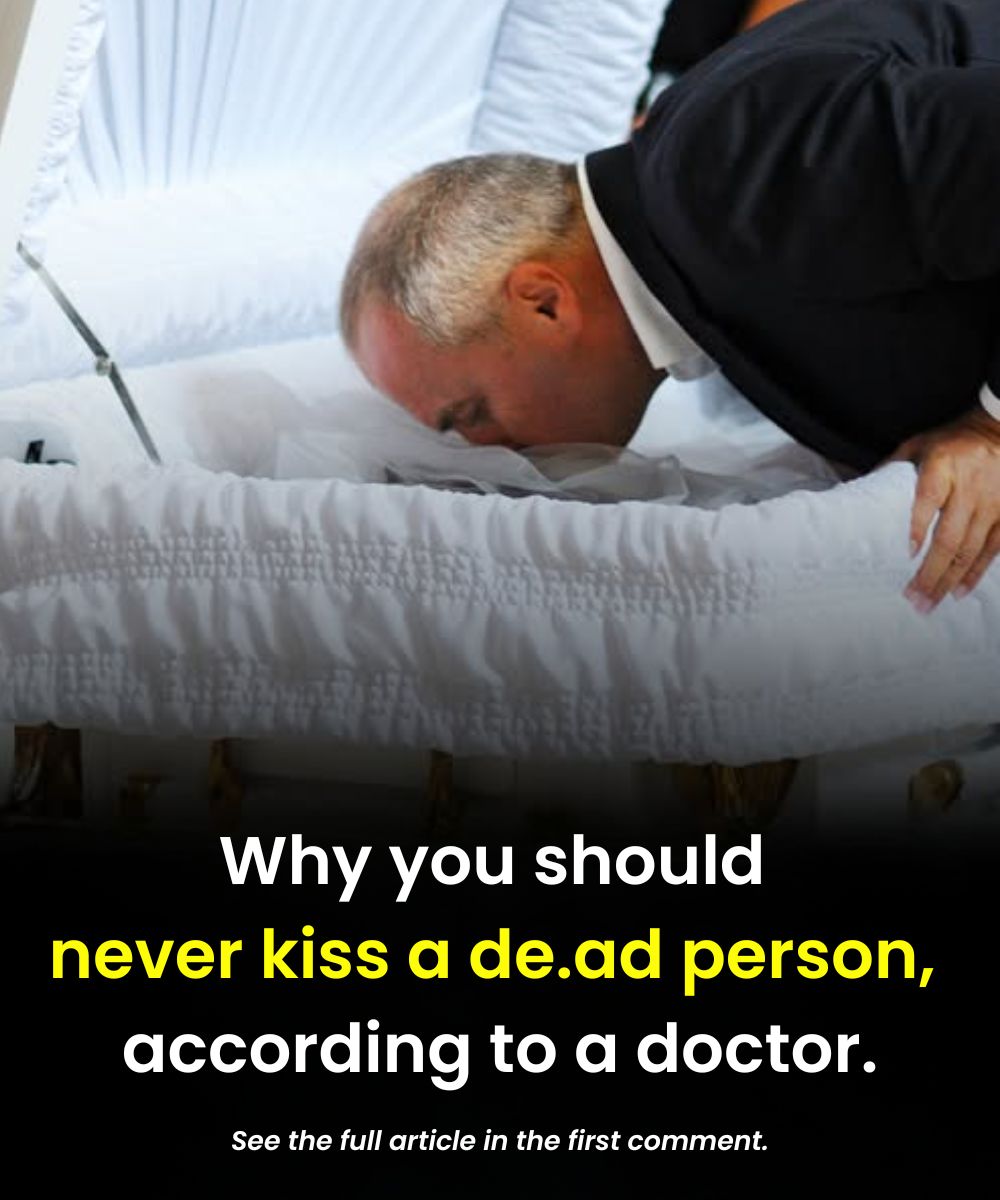
Myth 4: “Funeral homes always make the body safe to touch”
Funeral professionals take many steps to prepare the body respectfully, especially if embalming is involved. However, not all bodies are embalmed immediately, and some cultural or religious practices avoid embalming altogether.
Preparation reduces risks, but it does not eliminate them completely. This is why staff may advise against close contact in certain situations.
Myth 5: “Touching the deceased is necessary for emotional closure”
Psychologists emphasize that closure does not come from a specific physical action. Many people find peace through words, prayers, presence, or symbolic gestures rather than physical contact. While touch can be meaningful for some, it is not the only—or the healthiest—way to say goodbye.
Grief is personal, and no single ritual determines how well someone will heal.
Myth 6: “Doctors and hospitals are too strict about these rules”

Hospital policies may feel cold during moments of grief, but they are based on decades of medical evidence. These rules exist not to deny compassion, but to protect families from harm they may not see in the moment.
In fact, many healthcare providers work closely with families to find safer ways to honor their loved ones.