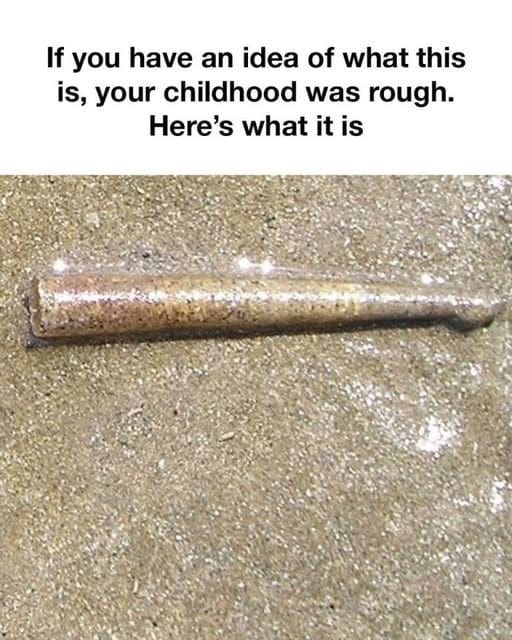
In some educational or recreational settings, controlled observation with minimal interference can foster learning about invertebrate behavior, sediment ecology, and coastal biodiversity. Importantly, these nests serve as reminders of the complex interdependence between organisms and their environment, emphasizing that even small creatures like trumpet worms play a role in larger ecological systems.
The Ecological Significance of Trumpet Worm Nests
While the nests of trumpet worms may seem like minor components of the coastal ecosystem, their ecological importance cannot be overstated. These structures contribute to sediment stabilization, reducing erosion in tidal and sandy environments. By binding loose particles together, trumpet worm nests act as natural anchors, preventing sediment displacement during tides and storms.
Additionally, the nests create microhabitats for other small organisms. Tiny crustaceans, juvenile fish, and microorganisms often find shelter within or around trumpet worm tubes, forming a localized food web. The presence of these nests can therefore increase biodiversity in an area, supporting a range of species that rely on these habitats for survival.
Trumpet worms themselves are integral to nutrient cycling. Their burrowing and feeding behavior aerates the sediment, enhancing the decomposition of organic matter and facilitating nutrient availability for plants and other organisms. The nests, as extensions of this activity, amplify these effects, highlighting how a seemingly insignificant structure can have outsized ecological consequences.
Psychological and Cultural Dimensions of Trumpet Worm Nests
The peculiar allure of trumpet worm nests extends beyond biology into psychology and culture. For many, these structures evoke feelings of awe and slight unease. This emotional response can be traced to the uncanny nature of the nests—they are artificial-looking constructions created by a living organism, existing in a liminal space between organic life and architectural form.
In childhood memory, trumpet worm nests often become symbols of the unknown or the mysterious aspects of nature. The combination of curiosity, tactile interaction, and slight apprehension can create a lifelong fascination. Some people grow up to study marine biology, ecology, o
r environmental science, driven by early experiences with these enigmatic structures.