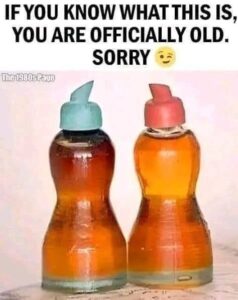
Shared recognition builds community.
It’s a collective nod — a reminder that you belong to a group that remembers the same textures, sounds, and routines.
In a fragmented digital world, that shared memory feels comforting.
The Future of Vintage
Here’s something worth considering: right now, someone younger is looking at your everyday object and thinking it’s cutting-edge.
In 20 years, today’s technology will feel just as quaint.
Streaming platforms will be replaced.
Touchscreens may disappear.
AI interfaces will evolve beyond current imagination.
One day, someone will post a picture of an early smartphone and say:
“If you know this, you’re vintage.”
And you’ll smile.
Because you were there at the beginning.
A Reflection on Time
Recognizing a vintage object isn’t about age — it’s about continuity.
It means you’ve lived through shifts in culture, technology, and communication.
You adapted.
You learned.
You upgraded.
You experienced transition firsthand instead of reading about it later.
There’s wisdom in that.
So… Are You Vintage?
If you can:
Explain what a cassette tape does
Describe the sound of dial-up internet
Remember life before social media
Operate a VCR without instructions
Use a payphone
Then yes — you’re officially vintage.
But that’s not a label of decline.
It’s a badge of experience.
It means you remember when the world felt different — and you carry those memories into a rapidly changing present.
And maybe that’s something to celebrate.
Final Thoughts
Objects come and go.
Technology advances.
Trends shift.
Designs evolve.
But memory lingers.
When you recognize a once-ordinary object that now feels relic-like, you’re not just identifying plastic and metal.
You’re identifying a chapter of your life.
You’re reconnecting with a version of the world that shaped you.
So the next time someone posts a picture and says, “If you know this, you’re vintage,” don’t cringe.
Smile.