Presentation also plays a role. When shrimp are peeled, butterflied, or served in elegant dishes like shrimp scampi, salads, or stir fries, removing the tract gives a cleaner and more refined appearance. In contrast, small shrimp have a very thin digestive tract that is usually invisible and tasteless once cooked, so removing it is often unnecessary.Groceries
Cooking method matters as well. When shrimp are cooked in their shells, such as when boiling, steaming, or grilling, many people choose not to remove the tract because the shell is discarded during eating. In soups, stocks, or broths, the tract adds no noticeable flavor and is strained out along with the shells and solids.
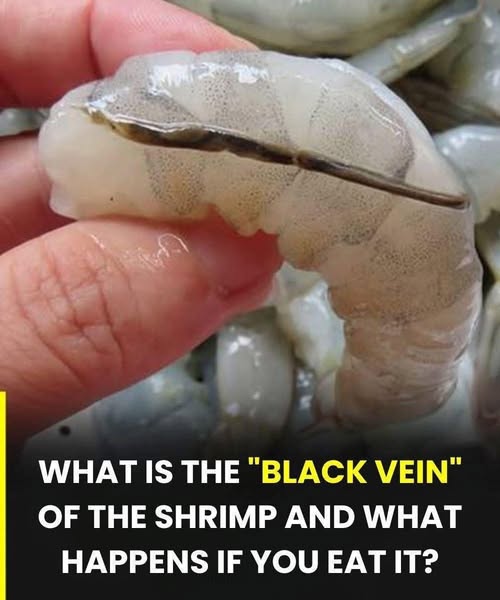
From a food safety standpoint, the digestive tract is not toxic and does not pose a health risk when shrimp are properly cooked. Eating shrimp with the tract intact will not make you sick. Removing it is a matter of texture, flavor sensitivity, and personal or cultural preference, not hygiene or safety.Groceries
If you choose to remove it, the process is simple. After peeling the shrimp, make a shallow cut along the back using a small knife. Gently lift out the dark line with the tip of the knife or a toothpick, then rinse the shrimp briefly under cold water. This step takes only a few seconds and can make a noticeable difference in certain dishes.
In the end, deveining shrimp is a culinary choice rather than a rule. Both options are perfectly acceptable. Knowing what the line actually is allows you to decide based on the dish you are preparing, the size of the shrimp, and your own taste preferences.