1. Color Variations
Whitish or Pale:
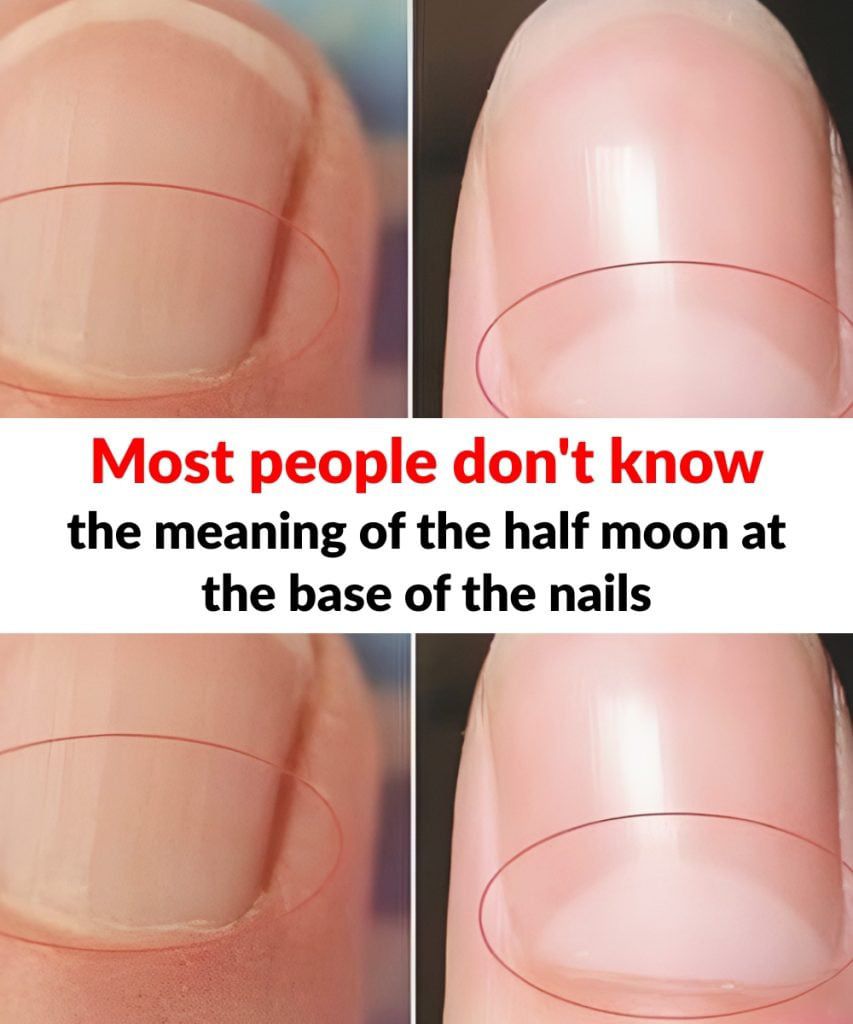
A healthy lunula typically appears whitish or pale, reflecting proper nail matrix function and normal keratinization.
Red or Bluish:
If the lunula appears red or blue, it may indicate poor circulation or cardiovascular concerns. In some cases, it could reflect oxygenation issues in the blood.
Yellowish:
A yellowish hue could signal fungal infections, liver issues, or a buildup of toxins in the body.
Dark or Brown Spots:
Occasionally, dark spots on the lunula may result from trauma, pigmentation changes, or rare conditions requiring medical attention.
2. Size and Shape
Prominent Lunula:
Large, well-defined lunulae are often a sign of strong, healthy nail growth. They are generally more noticeable in younger individuals and may diminish with age.
Small or Absent Lunula:
Lunulae that are very small or completely invisible may be normal for some people, but sudden disappearance could indicate nutritional deficiencies, anemia, or chronic health conditions.
3. Texture and Surface
Smooth Lunula:
A smooth, uniform lunula suggests healthy keratin production and nail growth.
Pitted or Irregular:
If the lunula appears uneven, ridged, or pitted, it could reflect underlying health issues such as thyroid imbalances, psoriasis, or autoimmune conditions.
Health Insights from Lunula Observations
Observing your lunula over time can provide clues about various aspects of your health:
1. Cardiovascular Health
A pale or bluish lunula may indicate poor circulation or oxygen deficiency in the blood. Prominent lunulae generally suggest robust blood flow and healthy capillary function.
2. Nutritional Status
The lunula can be a reflection of nutritional intake. Deficiencies in essential vitamins, such as B12, zinc, or iron, can cause the lunula to shrink, disappear, or develop abnormal coloration.
3. Thyroid Function
Changes in the lunula’s size or shape may signal thyroid imbalances. Hyperthyroidism or hypothyroidism can influence nail growth patterns, including the visibility of the lunula.
4. Liver and Kidney Health
Yellowish discoloration of the lunula may indicate liver stress, jaundice, or toxin accumulation. Similarly, kidney issues may be reflected in subtle changes in lunula appearance over time.