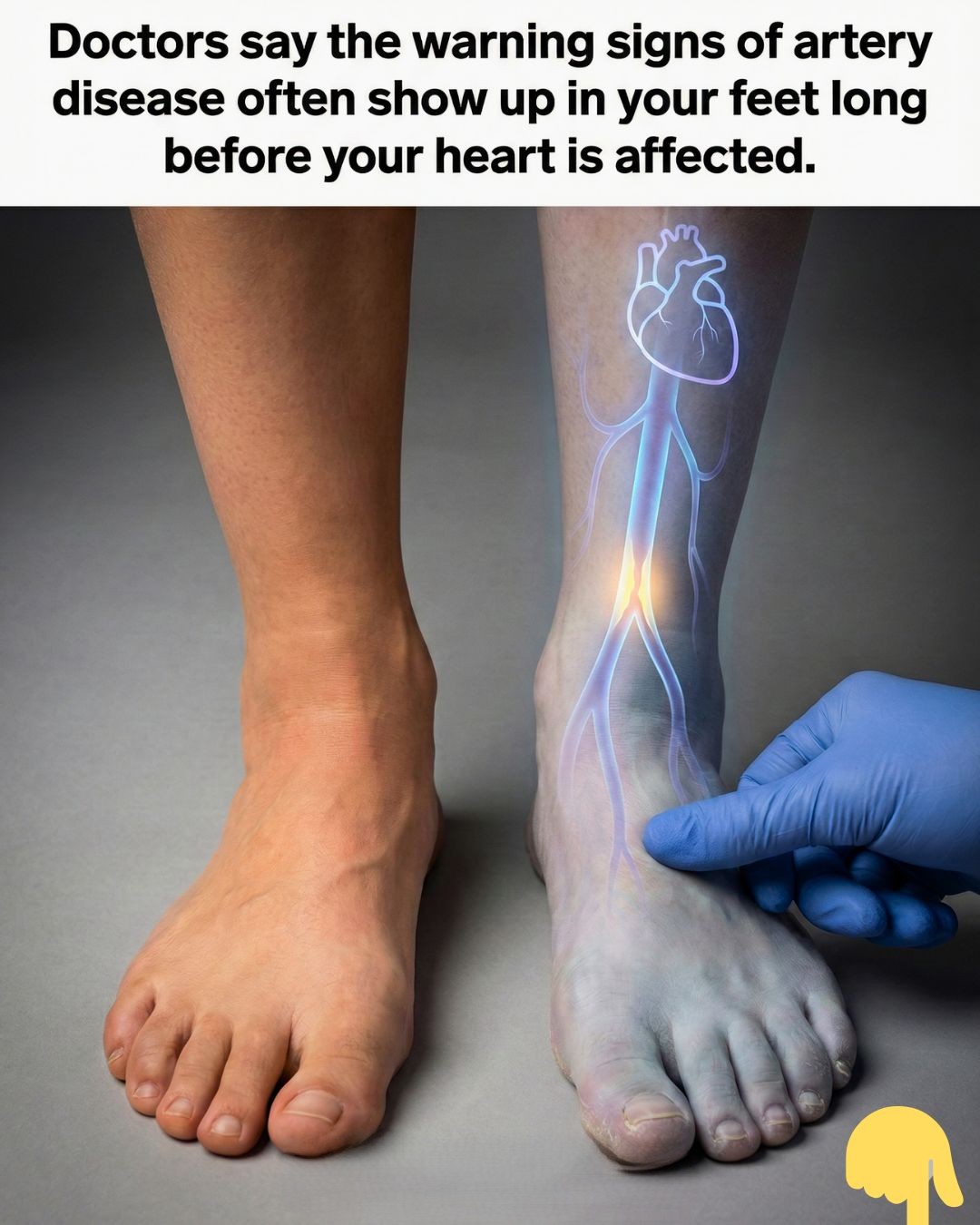
The Cleveland Clinic recommends asking your primary physician to check the pulses in your feet if you show any symptoms of PAD, have a family history of PAD or heart disease, or have a history of smoking. This is a simple test that can be done during a routine examination.
A physician can also do an ankle brachial index, which utilizes blood pressure cuffs and an ultrasound wave to detect a pulse in the region.
While detecting PAD can indeed tell you a lot about your greater cardiovascular risk, the Cleveland Clinic states that healthy individuals who do not smoke and do not have a family history of heart disease generally do not need to be screened, as the test can sometimes give a false positive. However, if you are concerned, talk to a health professional that you trust about your PAD risk, and whether it would be beneficial to check the pulses in your feet.